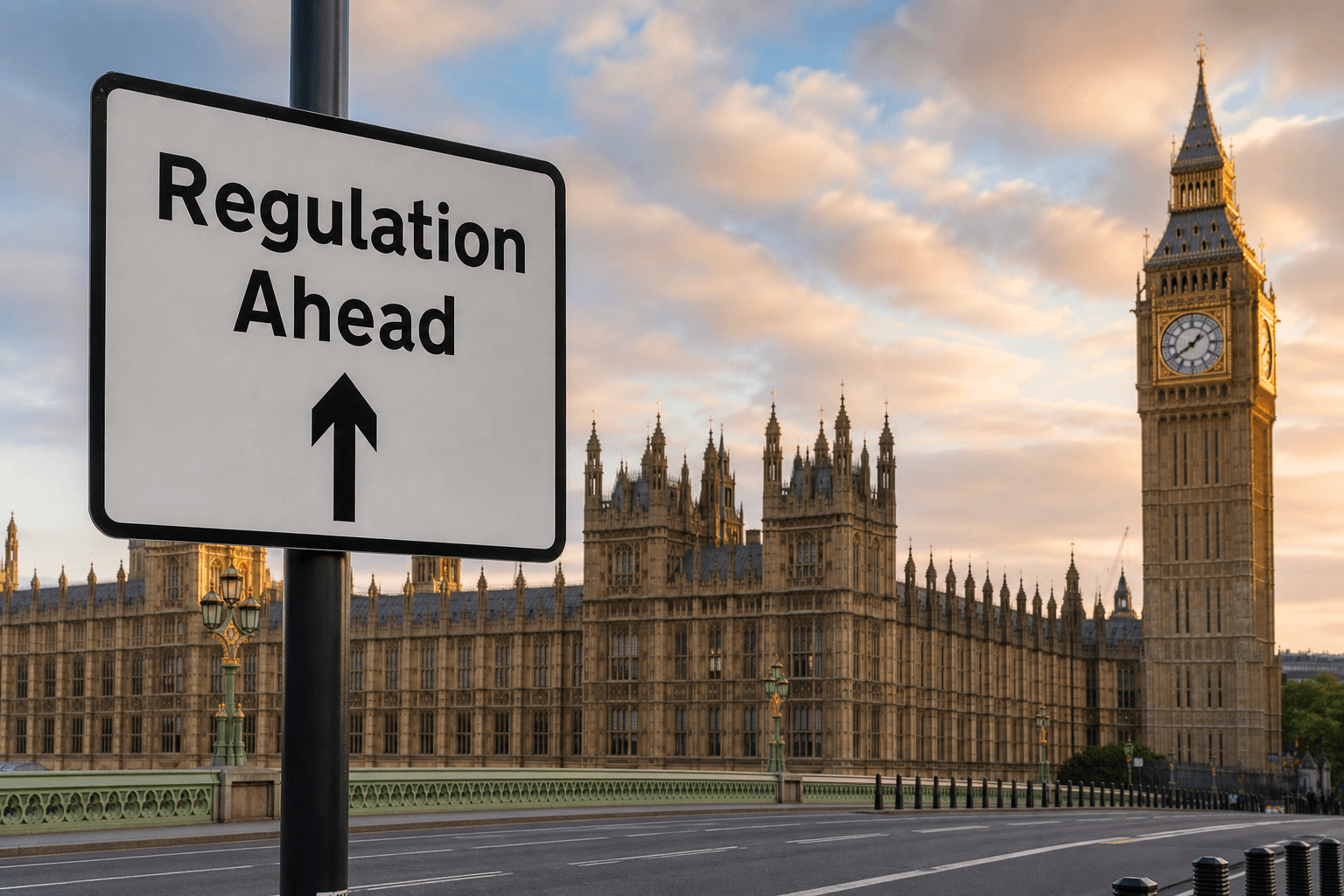
At the Labour Party conference in September 2026, the government confirmed that property agents will be regulated. Under the plans set out by Angela Rayner, Deputy Prime Minister and Housing Secretary, agents would need a licence to practise and appropriate qualifications. An independent regulator would set professional standards and codes of practice, and could take licences away from agents who fall short.
The aim is stronger protection for leaseholders, tenants and buyers. The regulator is expected to cover professional conduct, competence and how complaints are handled.
What isn't settled yet
- How the regulator will be set up.
- Which qualifications agents will need.
- How licences will be paid for.
- When the new system starts.
Propertymark says officials have discussed an enhanced Building Safety Regulator taking an overall role, though that idea is at an early stage.
Leasehold fees
The same package includes new powers to cap a range of fees charged to leaseholders and to homeowners on privately managed estates, such as charges for permissions, administration and providing documents. A public consultation will decide which fees are capped, and at what level.
What it means for how agents get found
Once licensing exists, sellers, landlords and the AI tools they ask will look for evidence that an agency is licensed and qualified. Agencies that already show their memberships, redress scheme and qualifications clearly, on their own website and profiles, will find the change easy to show.
Until the details are published, don't claim to meet rules that don't exist yet. Say what's true today, and say it the same way everywhere.
What to do now
- Put your memberships, redress scheme and client money protection on your website in plain words, with a link to each scheme's own member search.
- Name your qualified people on your team page, with their qualifications.
- If you manage leasehold homes or private estates, publish a plain page listing the fees you charge, and update it when the consultation reports.
- Keep the same facts everywhere: your website, your Google Business Profile and the portals should all say the same thing.
We'll update this post when the government publishes the details.